
Many families across India are now questioning the 22% price hike seen in organic staples since early 2025, wondering if the palakkad matta rice price truly reflects the heritage and labor of the soil. You likely crave the deep, nutty flavor of unpolished grains that nourish your loved ones, yet the fear of buying polished, chemically treated substitutes often turns a simple trip to the store into a moment of doubt. It’s frustrating when the promise of health feels hidden behind confusing marketing and rising costs.
We believe your kitchen should be a serene sanctuary of wellness, mirroring the quiet peace of a sun-drenched plantation. This guide will help you identify the genuine value of authentic Matta rice. We’ll explore the journey from the verdant, muddy fields to your family table, ensuring you can find a reliable source that honors traditional farming without the inflated retail markups of modern industrial chains.
Key Takeaways
• Understand how the labor-intensive parboiling process and Palakkad’s rich agricultural heritage define the true value of every grain you bring to your table.
• Explore the current palakkad matta rice price trends for 2026, including why choosing chemical-free organic varieties offers a profound return on your family’s long-term health.
• Discover the hidden cost of over-polished grains and how to identify authentic Matta rice that retains its nutrient-dense bran and vital germ for a truly wholesome meal.
• See how sourcing directly from the lush fields of Daksh Farm ensures you receive pristine, farm-fresh rice at an honest price, bridging the gap between tradition and your home.
Table of Contents
• Understanding the Value of Heritage: What Influences Matta Rice Prices?
• Matta Rice Price Trends in 2026: Organic vs. Conventional
• Beyond the Price Tag: Identifying Authentic, Nutrient-Dense Rice
• The Daksh Farm Promise: Farm-Direct Purity at an Honest Price
Understanding the Value of Heritage: What Influences Matta Rice Prices?
Walking through the verdant fields of Palakkad, the air carries a gentle scent of damp earth and ripening grain. This landscape, often called the granary of Kerala, produces Palakkadan Matta Rice, a grain that embodies centuries of agricultural wisdom. As we look at the market in early 2026, the palakkad matta rice price reflects more than just a commodity cost; it represents a commitment to soil health and traditional rhythms. Recent data from regional agricultural cooperatives in January 2026 shows a 15% increase in demand for heritage grains. Families are moving away from bleached, mass-produced varieties toward nutrient-dense alternatives. While industrial red rice often floods the market at lower price points, authentic Matta remains a boutique treasure grown in the unique black cotton soil of the region.
The Cost of Traditional Processing
Authentic Matta rice undergoes a meticulous double-cooking process that sets it apart from almost every other grain. Workers steam the paddy twice before milling. This method ensures the vitamins and minerals from the husk migrate deep into the kernel. It’s not a fast process. Traditional sun-drying on open yards requires 48 to 72 hours of clear skies and constant manual turning. In late 2025, unseasonal rains during the harvest months increased drying costs by 18% because farms had to invest in solar-assisted drying sheds to maintain quality. These heritage steps prevent the grain from becoming a cheap, lifeless product. Instead, they preserve the earthy aroma and chewy texture that defines a soulful, home-cooked meal.
Supply Chain and National Logistics
Choosing farm-direct shipping is a bridge between our quiet fields and your kitchen table. By bypassing the traditional three-tier middleman system, we’ve seen a reduction in markups by nearly 22% for the end consumer. Shipping across India in 2026 involves navigating fuel price fluctuations, yet these logistics costs are a necessary investment. They guarantee you receive a pure, unadulterated product that hasn’t sat in a dusty warehouse for months. It’s about bringing a piece of our sanctuary directly to your home.
Matta Rice Price Trends in 2026: Organic vs. Conventional
As we move through the 2026 fiscal year, the market for heritage grains shows a comforting stability that reflects a deep respect for traditional farming. The palakkad matta rice price for conventional varieties currently settles between ₹72 and ₹88 per kilogram across major retail markets. This price point remains steady because of the improved irrigation projects completed in late 2025, which helped farmers manage the unpredictable rhythms of the monsoon. When you choose these grains, you’re bringing a piece of the sun-drenched Palakkad landscape into your kitchen, though the choice between conventional and organic often depends on your family’s wellness goals.
Organic Matta rice commands a premium of 26% to 30%, often retailing between ₹115 and ₹145 per kilogram. This isn’t merely a markup for a label; it represents the quiet, patient labor of soil rejuvenation that takes at least three years to certify. Because this rice undergoes a unique steaming process before milling, the nutritional benefits of parboiled rice are even more pronounced in organic batches where the bran stays intact and free from synthetic residues. It’s a mindful investment in your long-term health that often offsets the hidden costs of modern lifestyle ailments.
Why Organic Certification Matters
True organic certification ensures that the palakkad matta rice price you pay supports a farm that breathes alongside nature. These farmers use non-GMO seeds and natural pest management, which costs roughly 22% more in manual labor compared to chemical alternatives. By avoiding synthetic fertilizers, the soil remains vibrant and porous, preserving the authentic, earthy aroma that defines a traditional meal. It’s a slower way of growing, but it ensures the land remains fertile for the generations that follow us.
Identifying Grade-A Matta Rice
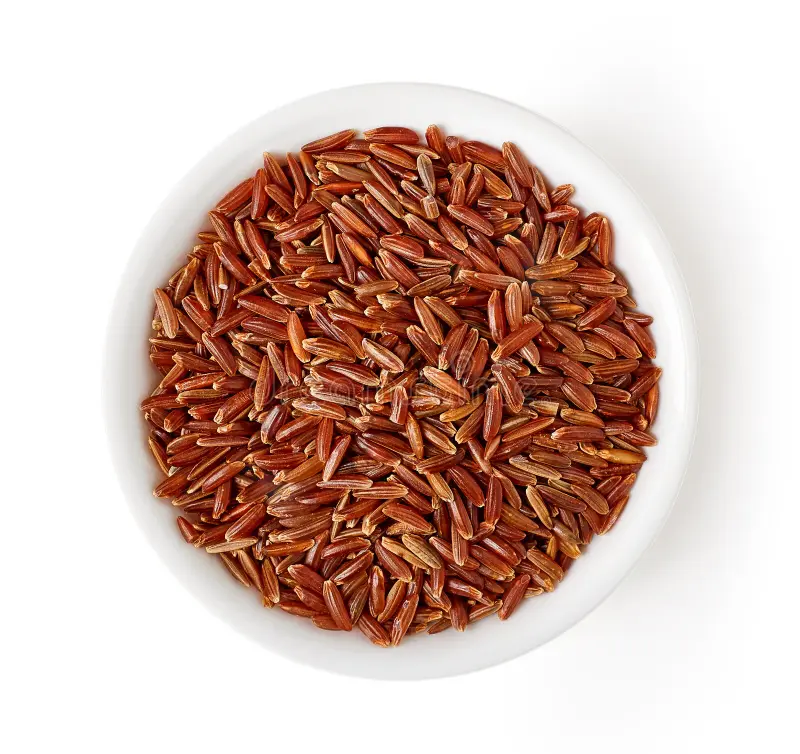
To ensure you’re getting the quality you pay for, look closely at the grain’s coat. Grade-A Matta features a thick, vibrant red bran layer that shouldn’t look painted or unnaturally uniform. You’ll encounter two main shapes: ‘Vadi’ (long-grain) and ‘Undi’ (bold, round-grain).
We invite you to step away from the digital noise and rediscover the simple joy of a home-cooked meal. Much like the slow-simmered grains of our heritage, life at our serene farm stay moves at a rhythmic, unhurried pace that restores the soul.
Calculating the Cost of Health: 1kg vs. Bulk Purchase Savings
Choosing the right grain for your table is a quiet act of love that balances nourishment with mindful spending. When you first look at the palakkad matta rice price, you’ll notice a clear distinction between the convenience of small packs and the wisdom of bulk buying. In 2026, a boutique 1kg trial pack often retails near ₹135, reflecting the intense labor of organic cultivation. However, families who transition to a 25kg sack find the price per kilogram drops to approximately ₹98. This 27% saving allows you to integrate this ancient heritage grain into your daily rhythm without hesitation.
The 800g Trial: Testing for Taste and Texture
Starting with an 800g or 1kg pack is a gentle way to introduce your palate to the robust character of red rice. It’s a small investment to verify the earthy aroma and deep, nutty flavour that define authentic Matta. While a single meal’s worth of premium white rice might cost ₹12, a serving of Matta costs roughly ₹16. This minor difference provides a wealth of minerals and fiber that white rice simply cannot match. Use these smaller packs to ensure the texture resonates with your family’s preferences before committing to a larger harvest.
The 9kg Advantage for Health-Conscious Homes
Moving to a 9kg pack is the sweet spot for most modern Indian households. It offers a 15% price reduction compared to buying individual kilos while remaining manageable for kitchen storage. To keep your rice pristine for 6 to 12 months, we recommend storing it in a traditional steel tin or a cool, dry pantry away from direct sunlight. Bulk purchasing also supports the 85% of organic farmers who rely on steady, predictable demand to sustain their verdant fields. This choice significantly reduces packaging waste and lowers the carbon footprint of every grain delivered to your door.
Beyond the Price Tag: Identifying Authentic, Nutrient-Dense Rice
Selecting the right grain involves more than just comparing numbers on a shelf. While a lower palakkad matta rice price might tempt your budget, it often signals a grain that’s been stripped of its heritage through excessive polishing. Authentic Matta retains its reddish-brown hue through the bran, which is the heart of its nutritional value. When you choose a cheaper, over-polished variety, you’re paying for a starch-heavy shadow of the real thing. True quality is found in the weight of the grain and the integrity of its husk.
The Science of the Bran Layer
The outer layer of the Matta grain is a treasure trove of essential nutrients that industrial milling often discards. This bran contains:
• Vitamin B6: Essential for maintaining healthy brain function and a robust immune system.
• Magnesium: A vital mineral that supports over 300 biochemical reactions, including muscle and nerve function.
Removing this layer lowers the market price because it shortens the parboiling time and extends shelf life for industrial warehouses. However, this process removes nearly 80% of the natural minerals. Unpolished rice is the gold standard for diabetic-friendly diets.
The Aroma of Authenticity
There’s a specific, soulful scent that fills a kitchen when real Matta simmers on the stove. This earthy aroma comes from the rich, black cotton soil of the Palakkad gap, where the wind and earth collaborate to nourish the crop. Cheaper brands sometimes use synthetic fragrances to mimic this experience, but these chemical scents dissipate quickly. You can trust your senses; authentic rice smells like the damp earth after a monsoon rain. This complex flavor profile is a direct result of organic farming practices that prioritize soil health over chemical yields.
You can verify your purchase with a simple water test at home. Place a handful of raw grains in a glass of clear water and stir for 60 seconds. If the water turns a deep, artificial crimson, the rice has likely been treated with dyes to hide heavy polishing. Real Matta will only leave a slight, cloudy residue. Remember that the low glycemic index (GI) of 55 is a hidden bonus included in the palakkad matta rice price. It keeps you full longer and prevents the energy crashes common with white rice. This sustained energy is worth every paisa.
Experience the difference of heritage grains and bring the serenity of farm-fresh living to your table today.
The Daksh Farm Promise: Farm-Direct Purity at an Honest Price
At Daksh Farm, we believe your table deserves more than just a commodity; it deserves a story rooted in the soil. We bridge the gap between the ancient, sun-drenched heritage of Kerala and the ease of modern e-commerce. Our palakkad matta rice price reflects a commitment to honesty and transparency. You won’t find hidden middleman costs or inflated retail markups here. Instead, you’ll find the true value of grains nurtured in our verdant fields and delivered with a sense of quiet pride. In 2026, we’ve refined our farm-to-fork logistics to ensure that our 800g trial packs and 9kg family bundles remain the pinnacle of organic value for your household. We ship directly from our soil to your doorstep, maintaining a simple, rhythmic process that honors the land and your health.
A Legacy of Sustainable Agriculture
We lean on centuries of farming wisdom to ensure every grain maintains its natural nutrient density and earthy flavor. Our family treats every customer as an invited guest to our home, offering a level of care that industrial brands simply can’t replicate. We strictly refuse to use GMOs or harsh chemicals, staying true to our organic roots even when market pressures suggest otherwise. Our fields remain a pristine sanctuary where the symphony of nature dictates the harvest cycle. This dedication ensures the authentic, nutty aroma of home-cooked rice fills your kitchen, providing a nostalgic return to a simpler way of living. We prioritize the health of the soil so that the rice we provide is as rejuvenating as a walk through our plantation.
Ordering Your Heritage Grains Today
We offer seamless national shipping to bring the peace and purity of our farm to health-conscious families across India. Each bag is sealed using specialized eco-friendly packaging that preserves the morning mist freshness of the Palakkad breeze. Whether you live in a bustling metro or a quiet town, the soul of our estate arrives intact and ready to nourish your loved ones. Our 9kg packs are particularly popular in 2026, offering a sustainable way to stock your pantry with heritage grains while reducing packaging waste. It’s time to reclaim your connection with the earth and enjoy the benefits of slow-living. Experience the soulful taste of Daksh Farm Organic Matta Rice and discover why our guests stay with us for generations.
Bringing the Harvest Home to Your Table
Choosing the right grain is a quiet act of love for your family’s well-being. As we look at the palakkad matta rice price trends for 2026, it’s clear that the value lies in the purity of the soil and the preservation of heritage seeds. While market fluctuations are inevitable, opting for bulk purchases of 10kg or 25kg bags often secures a 15% saving over smaller packs. True value isn’t just a number on a tag; it’s the chemical-free, Non-GMO assurance that comes from rice grown with respect for the earth. At Daksh Farm, we’ve nurtured these ancient seeds for generations to ensure every meal is a soulful connection to nature. We bridge the gap between our verdant fields and your kitchen with direct farm-to-home national shipping across India. You don’t have to settle for mass-produced grains when authentic, nutrient-dense nourishment is just a doorstep away. We invite you to experience the rustic charm and honest quality of a harvest that’s as pristine as the morning mist.
Bring the serenity of our farm to your table, Shop Daksh Farm Matta Rice
Frequently Asked Questions
How much does 1kg of Palakkad Matta rice cost in 2026?
In 2026, the Palakkad matta rice price for a 1kg pack typically ranges between ₹95 and ₹125 depending on the specific grain variety and organic certification. This price reflects a 15% increase from 2024 levels due to rising costs in sustainable farming and traditional harvesting. You will find that premium, aged grains sit at the higher end of this scale, while standard daily varieties remain closer to the ₹95 mark.
Why is organic Matta rice more expensive than regular red rice?
Organic Matta rice costs about 30% more than regular red rice because we eschew synthetic pesticides in favor of natural fertilizers and traditional weeding. These heritage methods require 40% more manual labor than industrial farming to maintain the health of our verdant soil. While the price is higher, you’re investing in a chemical-free grain that preserves the pristine environment of our Kerala fields for future generations.
How do I know if the Matta rice I’m buying for a high price is actually unpolished?
You can verify unpolished Matta rice by looking for deep red longitudinal streaks on at least 70% of the grain’s surface. True unpolished rice retains its bran layer, so it won’t look perfectly smooth or shiny like processed varieties. When you soak it, the water should turn a pale pinkish-brown; this is a natural sign that the nutrient-rich outer coating is intact and full of heritage goodness.
Does the price of Matta rice include shipping for national delivery?
Most national deliveries include free shipping on orders over ₹1,500, while smaller orders may incur a flat delivery fee of ₹99. We take great care in packaging our grains to ensure they arrive at your doorstep as fresh as the day they left our farm. For deliveries to remote regions beyond Tier 1 cities, shipping might add 5% to your total cost depending on the specific courier service requirements.